

Hey there!
When we sit down to study a subject like A&P, our main goal is to understand the information so well that it gets into our brains and stays there for the rest of our lives (or at least until you need it on a test).
But, if you’re like me and basically everyone else, much of what we learn seems to leak out of our brains within a day or even a few hours.
The thing is though…that’s NORMAL. That’s how our brains are supposed to work.
Fortunately, there are concrete things we can do to keep the information we’re learning in our long-term memories so that we never forget it. It’s not easy (it’s effortful) and it takes time, but it’s doable, and YOU can learn tons of information for your class or test.
Understanding how our memory works can help you level up your learning so that you’re study system is as effective as possible. Here’s my latest video, which explains how memory works and what to do about it:
The video has seemed to really resonate with people. (Lots of views and people signing up for my A&P Survival Guide since I posted it.) Here are some main points:
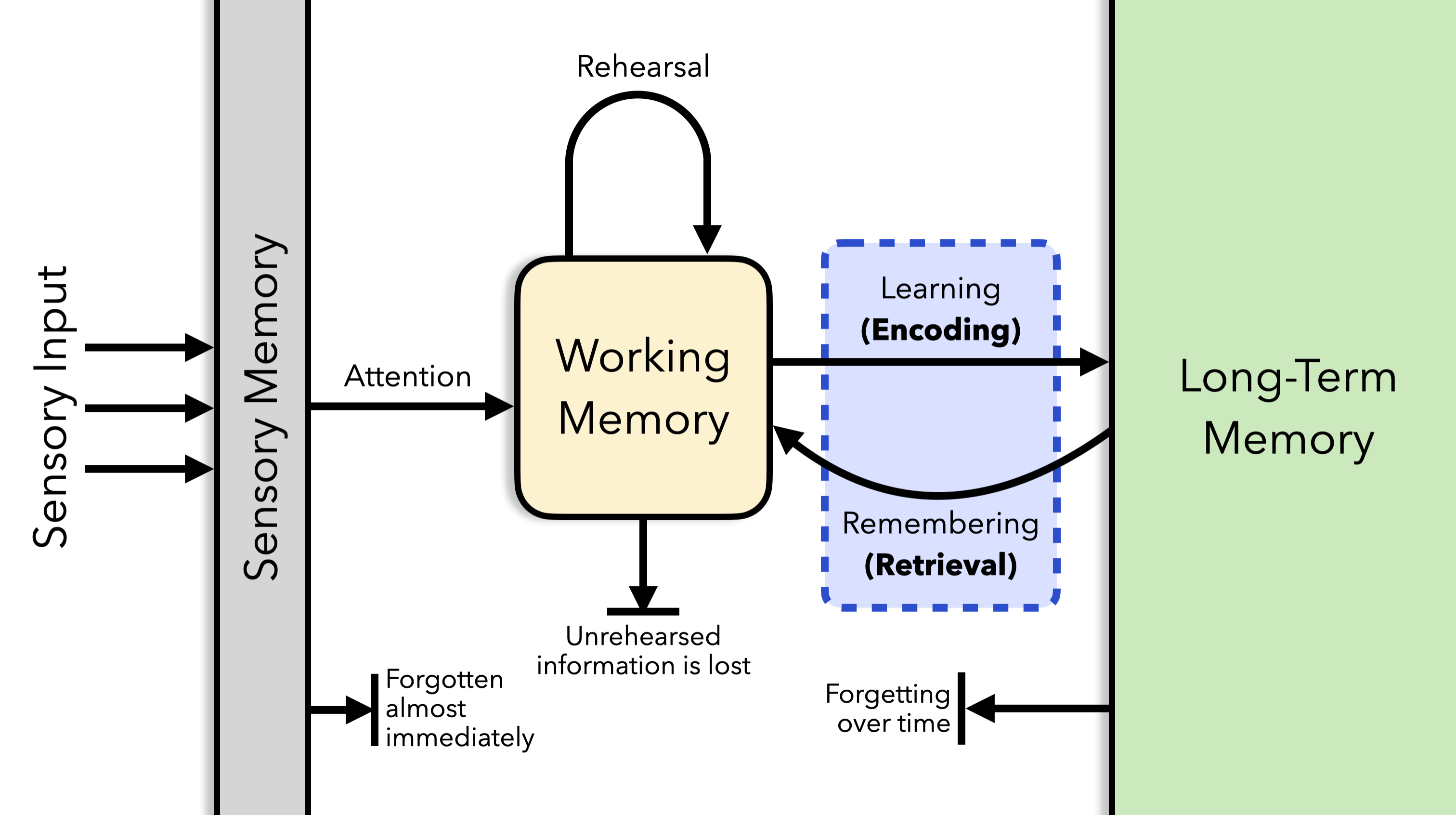
- To move information from our sensory memory to our working memory, we have to pay attention to it. We can’t learn if we’re passive!
- Working memory is what we’re actively thinking about. But that information will go ahead unless we do some encoding, which is to make connections between the new information and something we already know. That’s why rote memorization is not as strong as actually understanding a concept and how it relates to other things you’ve learned.
- Even our long-term memory is leaky! So we need to practice retrieval over time to strengthen that learning and make it less leaky.
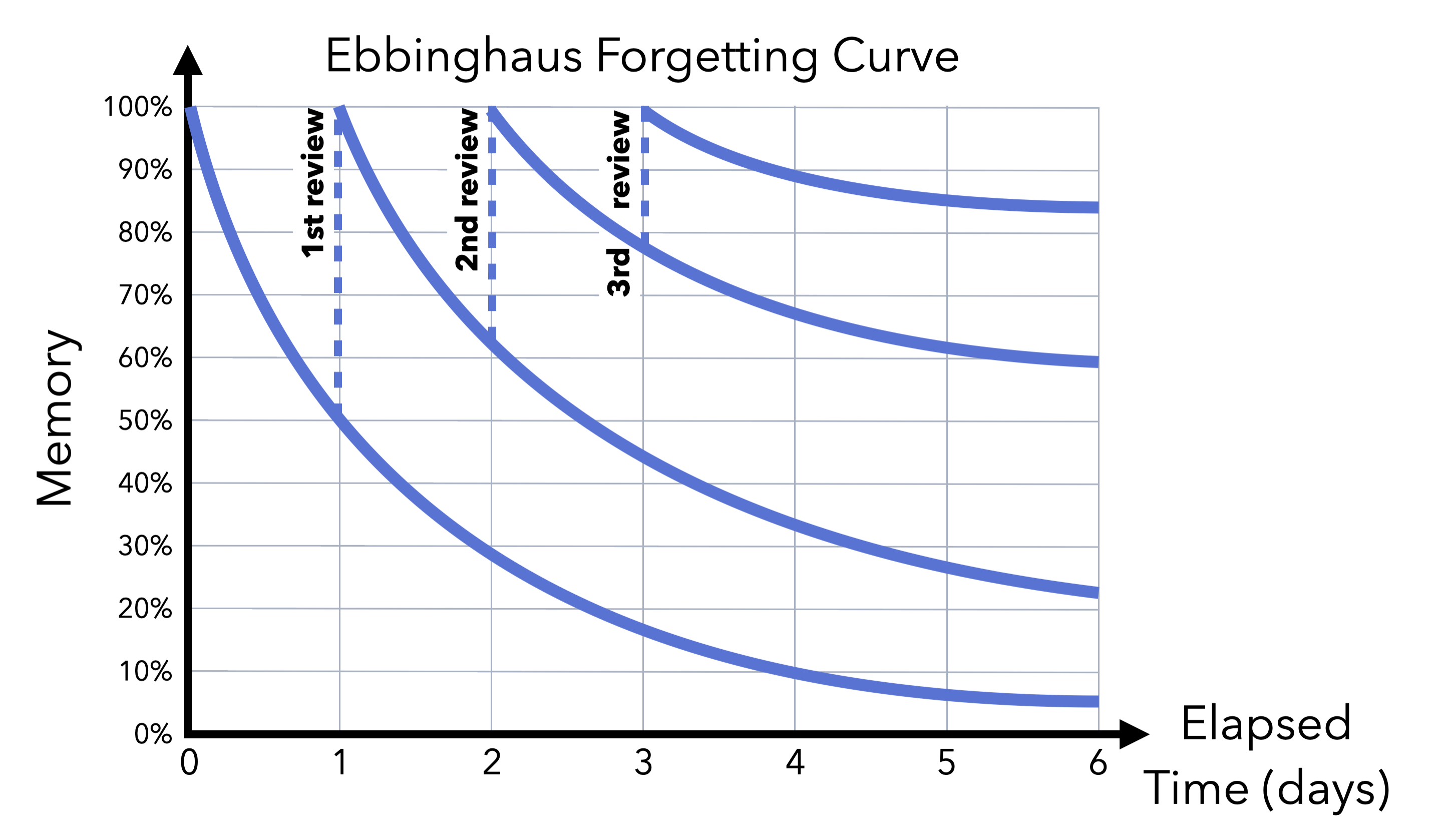
- Space your practice over multiple days. We forget most of what we initially learn, but we can interrupt our forgetting by quizzing ourselves over the information the next day. Every time we do this, more of what we learned will stay with us.
- When you practice, don’t do passive things like rereading notes. Do active strategies like quizzing yourself, explaining a concept to someone else (or verbally to yourself), or using flash cards.
Happy learning!
P.S., if you’re learning A&P, I have resources at store.siebertscience.com to help you out. Or if you’re teaching AP Physics, I’m making resources for that as well.
 Siebert Science